


The Transportation Alliance (TTA), via its foundation, recently released two reports calling attention to the major issues impacting members across the transportation spectrum. These reports were published just ahead of its upcoming Legislative Fly-In this May 5-6 in Washington, D.C., and will surely be topics of conversations with lawmakers during the event. TTA represents private for-hire passenger transportation companies, including taxi, limousine, shuttle, and non-emergency medical transportation operators.
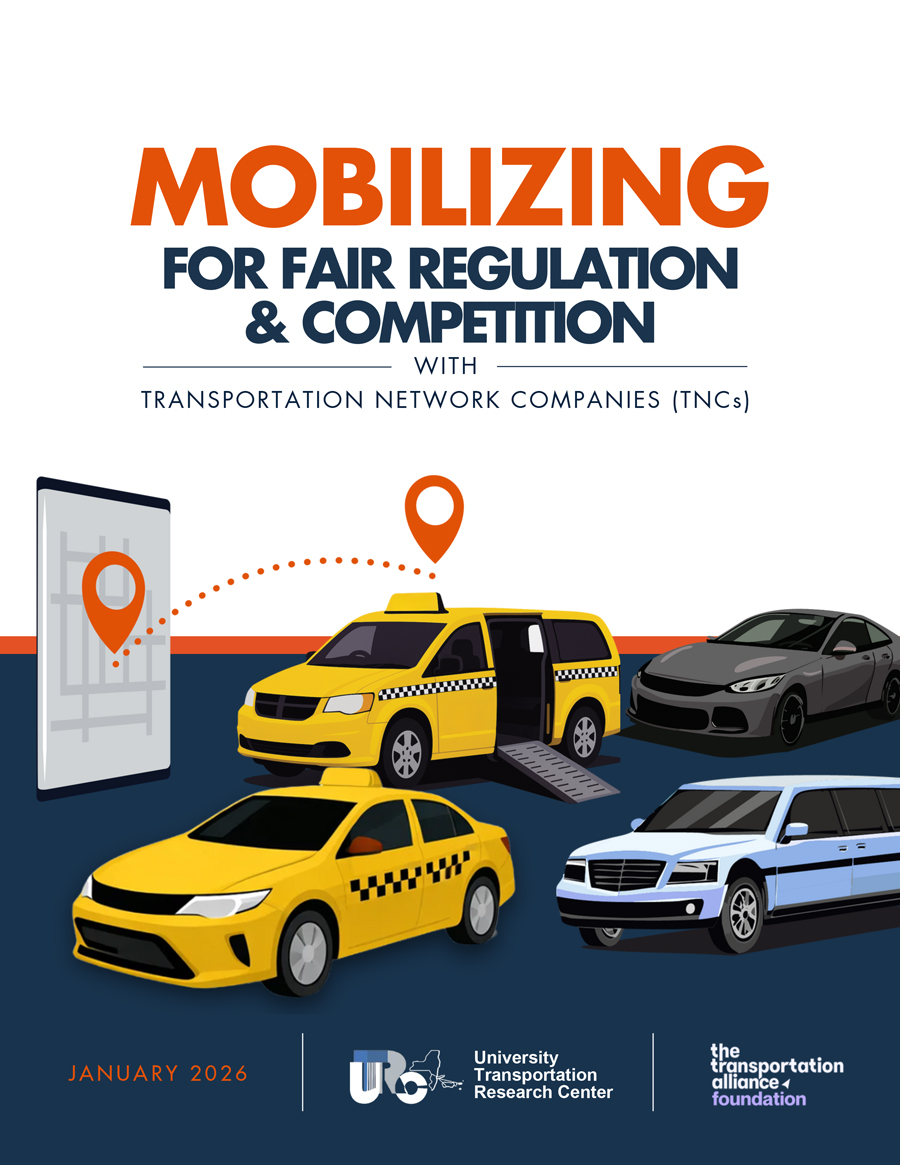
The first report, Mobilizing for Fair Regulation & Competition, prepared by the University Transportation Research Center at the City College of New York (UTRC) earlier this year, highlights the biggest impact on chauffeured transportation. The report reveals the significant regulatory imbalance between TNCs and other types of transportation, specifically the patchwork of strict and often outdated local regulations, higher permit fees, and—critically—limited airport access for chauffeured compared to the more relaxed and flexible regulatory climate of the TNCs. As Uber and Lyft only grow in popularity—and are more aggressively pursuing entry into this space—the need for a more level playing field becomes urgent.
“The foundation commissioned this paper to examine regulatory and legislative responses to the uneven playing field between taxis and TNCs. It also highlights the impact of these measures, giving members practical examples from other jurisdictions to support their advocacy,” says TTA President Bill Rouse of L.A. Yellow Cab Co-Op.
Key Industry Insights and Recommendations:
- Market Pressure and Client Shifts: The report highlights a troubling trend where long-standing corporate accounts are shifting toward TNCs for short trips or overflow needs, citing app convenience and lower costs.
- The Insurance Crisis: Insurance is identified as an “existential problem,” with 57% of limousine operators rating it as a "high impact" burden due to steep, rising premiums for commercial policies. This has obviously been a longstanding issue in this space as many local and national associations work with officials on solutions.
- Regulatory Parity: TTA pushes for aligned baseline driver, vehicle, and insurance requirements across all transportation providers to ensure competition is based on service quality rather than what it calls “regulatory arbitrage.”
- Modernized Insurance Models: To reduce costs, the report advocates for exploring period-based (“app-on/app-off”) insurance frameworks for taxi and limousine operators, similar to the model used in Arizona.
- Airport Access Equity: Standardizing airport permit fees, staging rules, and pickup locations is recommended to end the preferential treatment often granted to TNCs—which has been a huge bone of contention in chauffeured transportation.
- Vehicle Standard Flexibility: The report suggests replacing rigid vehicle age caps with performance-based safety inspections.
The full report can be found here.
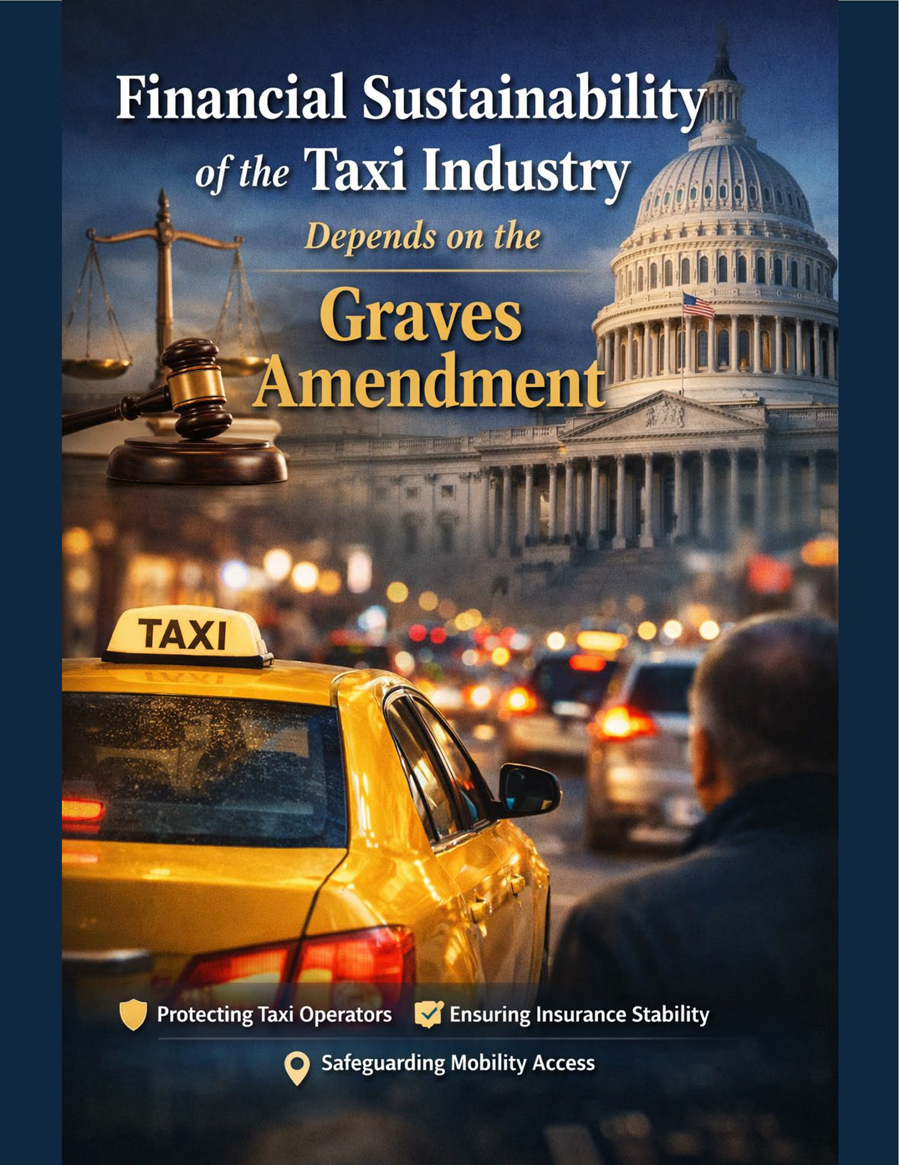
In addition to these regulatory concerns, a second report addresses the Graves Amendment—a federal provision passed in 2005 that shields taxi owners and leasing companies from vicarious liability in accidents where they are not at fault. Over its two-decade history, Graves has faced legal challenges and hurdles. While focused specifically on the taxi sector, the report underscores that preserving these protections is vital for the financial stability and insurability of all fleet-based transportation providers.
“At its core, the Graves Amendment is about fairness and functionality—protecting responsible operators from undue liability while preserving access to safe, reliable transportation for communities across the country,” says TTA President-Elect Bill George of WHC Worldwide.
The Graves report can be read here.
Visit ttamobility.org for more information.
[04.14.26]
