

BY PHIL SHETSEN
Most business owners assume their retirement plan is straightforward: grow the business, sell it, retire.
I’ve seen this approach work, but I’ve also seen it fall apart—often for reasons that weren’t obvious until too late in the game. The issue isn’t ambition or effort, it’s that retirement plans built almost entirely around a future business sale depend on too many variables lining up at the same time.
 The Assumption That Causes Problems
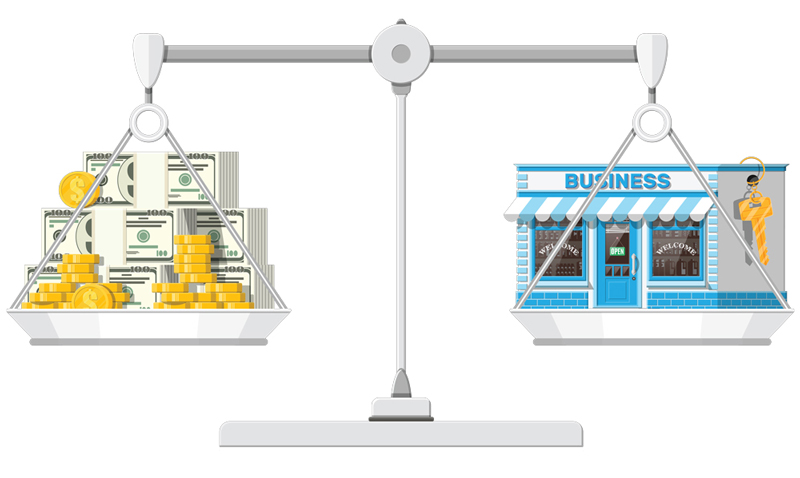
For many owners, the business becomes the largest asset on their balance sheet. And, In some cases, it’s the only meaningful one. That leads to an implicit assumption, which is that the business will be worth enough to fund retirement.
That assumption requires a lot to go right:
❱ The business must be sellable when you want to exit
❱ The market must cooperate at that moment
❱ The company can’t be overly dependent on you
❱ A buyer must agree with your valuation
❱ The net proceeds must support your lifestyle after taxes and fees
When even one of these breaks, the plan gets strained.
Why Valuation Expectations Often Miss the Mark
Owners tend to overestimate what their business will sell for because valuation is rarely intuitive. Revenue growth doesn’t automatically translate to value and neither does effort, longevity, or personal sacrifice.
Buyers focus on transferable cash flow, operational independence, and risk. The more the business relies on the owner, the more value tends to erode in a sale. This gap between expectation and reality is one of the most common retirement planning issues I see with business owners.
Net Worth Isn’t the Same as Retirement Readiness
Many owners look strong on paper but struggle with liquidity because wealth concentrated inside a business doesn’t automatically produce retirement income. Turning that value into cash usually requires selling equity, taking on debt, or waiting for the right buyer. A retirement plan works better when some assets are designed to function independently of the business.
Having most of your wealth tied to one business, in one industry, and in one market creates exposure. If something impacts that industry or market, both your income and your retirement prospects are affected at the same time. That’s a difficult position to be in, even with a successful company.
What Being “On Track” Really Means
Being on track doesn’t mean abandoning the idea of selling your business. It means pressure-testing it.
That usually involves:
❱ A realistic view of what the business might sell for
❱ A clear understanding of retirement income needs
❱ Assets outside the business that provide flexibility
❱ A plan that doesn’t rely on perfect timing
Questions to ask yourself:
❱ If the business sold for less than expected, would retirement still be possible?
❱ If selling took longer than planned, could you wait?
❱ If selling needs to be delayed for a period of time, what would that mean?
If those questions raise concerns, that’s not unusual. It’s often where meaningful planning begins.
Final Thoughts
Your business is a powerful asset; it just shouldn’t be the only pillar holding up your retirement. The earlier assumptions are examined, the more control you tend to have over how and when you step away. If you’re unsure whether your current plan holds up under scrutiny, a brief conversation can help bring clarity. [CD0226]
Phil Shetsen is the President of Bona Vita Benefits. He can be reached at
